


Colombian cloudforests sit at a unique intersection of biological magnificence and meteorological challenge. With nearly 2,000 species, Colombia is home to more birds than anywhere else on Earth — and it hosts 18% of the world's bird species even though its land covers only about 1% of the globe. For photographers, that means extraordinary subjects around every mist-drenched corner. But the same moisture that feeds these forests will destroy unprotected camera equipment in a single afternoon.
In my experience, the biggest mistake photographers make when planning a Colombia cloudforest trip is thinking that "weather-sealed" means "waterproof." It does not. Weather-sealed cameras are more resistant to extreme cold and humidity, but weather sealing doesn't mean waterproofing a DSLR camera — heavy rain or immersing the camera in water will still damage it. The cloudforests around the Western and Central Andes — home to iconic lodges like Yotoco Lodge — demand a dedicated, layered rain gear strategy, not blind trust in a manufacturer's IP rating.
Cloud forests are among the most iconic bird photography locations in Colombia. These high-altitude forests are rich in biodiversity and home to many colorful and unique bird species. But they are also persistently wet. The cloudforest altitudinal zone is characterized by an average temperature ranging between 10 and 17°C (50–62.6°F) while rainfall reaches a yearly average of 2,000 mm (78.7 inches). That's nearly 80 inches of rain per year — therefore, you cannot treat rain gear as optional or emergency-only. It must be part of every single outing.
This guide breaks down exactly what gear to bring, how to use it, what to avoid, and how to make the most of every rain-soaked shooting session in Colombia's extraordinary cloudforests.

Key Takeaways
-
Colombia's cloudforests receive up to 2,000 mm of rain annually: The cloudforest altitudinal zone sees a yearly average of 2,000 mm (78.7 in) of rainfall — therefore every piece of photographic kit must have dedicated waterproof protection before you set foot on a trail.
-
Weather sealing is not the same as waterproofing: Weather sealing doesn't mean waterproofing — heavy rain will still damage a weather-sealed camera. Invest in a quality rain cover regardless of your camera model.
-
Humidity is as dangerous as direct rain: Humidity-related issues account for nearly 30% of all camera repairs — therefore store your gear in sealed containers with silica gel every night, not just when it's actively raining.
-
Rain creates better photographs: Rain gives photographers three unfair advantages: soft, dramatic light, fewer people, and wildlife that behaves more naturally. Gear up and go out — don't wait for dry skies.
-
Your body is your most important piece of gear: The most important piece of gear to protect isn't the camera — it was you. If your hands stop working, the shoot is over — even if your camera is fine. Invest in quality personal rain gear first.
Quick-Start Prioritization Framework
|
Strategy |
Best For |
Effort Level |
Time to Results |
|---|---|---|---|
|
Camera rain cover |
All photographers |
Low |
Immediate |
|
Silica gel + dry box system |
Multi-day trips |
Low |
24 hours setup |
|
GORE-TEX jacket + waterproof boots |
All field shooting |
Low |
Immediate |
|
Waterproof backpack + rain fly |
Full-day excursions |
Medium |
Immediate |
|
Waterproof touchscreen gloves |
Cold/wet cloudforests |
Low |
Immediate |
|
Pelican hard case |
Serious/multi-week trips |
Medium |
Pre-trip prep |
|
Lens hood + microfiber kit |
All conditions |
Low |
In-field use |
Start here if you're:
-
A first-time visitor to Colombia: Start with a quality camera rain cover + GORE-TEX jacket. These two items cover 80% of your risk exposure immediately.
-
A multi-week or serious photographer: Build the full system — Pelican case, silica gel dry box, LensCoat or Think Tank rain cover, and waterproof backpack with rain fly.
-
On a tight budget: The Think Tank Emergency Rain Cover (~$42) + a sealed bag of silica gel packets + any budget GORE-TEX jacket gives you solid base protection at low cost.
Understanding Colombia's Cloudforest Climate and Why It Demands Specialized Rain Gear
The Relentless Moisture Environment
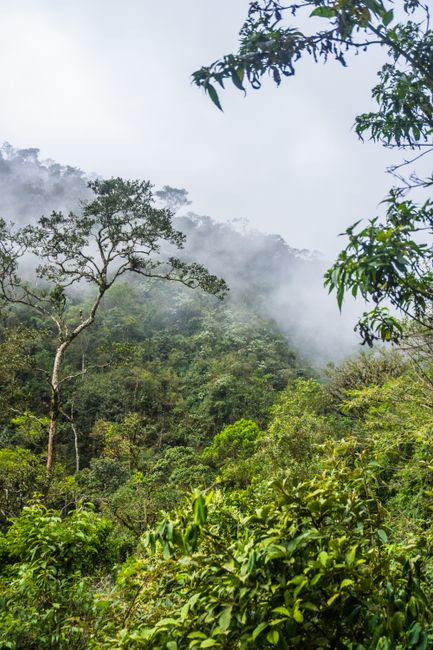
Colombian cloudforests are not simply "wet" — they are persistently saturated environments where mist, drizzle, and rain can all occur within the same morning. In Colombia there are two moderate dry and rainy seasons per year, from April to May and from October to November, but temperatures and precipitation are largely dependent on altitude and proximity to the Caribbean and Pacific oceans. In the cloudforest belt specifically, even the so-called dry season brings regular mist and fog.
In Colombia's mountain regions, temperature is directly related to elevation, with average temperatures decreasing uniformly about 3°F per 1,000 feet of ascent. This creates dramatic temperature swings throughout a single day — a warm morning fog can give way to chill afternoon rain, then cold evening mist. Each transition stresses camera equipment through condensation and thermal shock.
The Chocó biogeographic region, stretching along Colombia's Pacific coast, is among the wettest places on Earth — and one of the richest in biodiversity, where vibrant species like the Baudo Oropendola, Blue-whiskered Tanager, and Lita Woodpecker await patient photographers willing to face the humidity. Photography near Yotoco Lodge, nestled in Valle del Cauca, sits squarely within this Chocó-influenced zone.
Pro Tip: Before leaving your accommodation each morning, check your camera's rear LCD for any fogging or condensation hazing. If you see any, give your gear 10–15 minutes to acclimatize before mounting long telephoto lenses. Condensation inside a lens barrel can cause permanent internal fogging over time.

Why Rain Gear Is Non-Negotiable Here
The cloudforest region is a humid and tropical area with high rainfall and warm daytime temperatures. The constant rain and high heat lead to intense humidity with mist common in the jungle. Throughout the year you have the chance of prolonged precipitation — no matter what time you go there, you will always have to deal with a large number of rainy days.
Protect your gear from humidity with silica gel packs and waterproof covers — this is not a recommendation; it is a prerequisite for any camera system in this region. The good news is that you can adapt brilliantly. Birds often forage more actively just before and after rain, offering excellent viewing opportunities, and birdwatching in the rain can be a peaceful, rewarding experience with fewer crowds and more wildlife activity.
Camera Rain Covers: Your First Line of Defense
Understanding What a Rain Cover Does (and Doesn't Do)
The best rain covers for cameras are the unsung heroes of outdoor photography. Even if the heavens open, you'll be able to carry on shooting without worrying about your gear getting damaged. However, it's critical to understand their limitations. A rain cover deflects direct rain and mist from entering your camera body and lens barrel — but it is not a waterproof housing. It must be combined with other protective layers.
Camera rain covers take up little space in your camera bag and can protect your precious camera/lens from the elements. Even if your gear already features weather-sealing, you should still have an emergency rain cover on hand for heavy downpours. In Colombia's cloudforests, "emergency use" effectively becomes daily use — therefore treat your rain cover like a lens cap: never go out without it.

The Top Camera Rain Cover Options for Cloudforest Photography
Think Tank Hydrophobia 3.0 — For serious photographers using longer telephoto lenses (which is the standard recommendation for cloudforest birding), this is the premium option. The Hydrophobia 3.0 is the premium offering, coming in three sizes: 24-70mm, 70-200mm, and 300-600mm. It's heftier than budget options because it uses a 3-layer material for superior durability, and it still comes with sealed seams and a window at the rear.
Think Tank Emergency Rain Cover — This rain cover holds up well in even the most extreme conditions, and its combination of lightweight but durable material and versatile functionality makes it highly recommended for both amateur and professional photographers. It retails from approximately $42 and packs down to virtually nothing in your bag.
LensCoat RainCoat 2 — The RainCoat 2 is constructed from lightweight, waterproof, breathable poly tricot material with all seams tape-sealed for maximum protection. Cinch straps allow for adjustable length and a snug fit around your lens, with two fold-out arm sleeves from integrated pockets giving you direct access to camera and lens controls without compromising protection. For cloudforest wildlife photography, the camouflage pattern variants are especially valuable, as wildlife photographer rain covers in camouflage colors help you blend into the background and not alert your subject to your presence, while simultaneously protecting your gear.
Pro Tip: In the cloudforest, wind-driven mist will enter your lens hood from the front regardless of what rain cover you use. Consider using a lens hood to minimize water droplets on the front element — but also keep a microfiber cloth immediately accessible. Droplets ruin more keepers than ISO ever will.
Lens Hoods and Front Element Protection
Many photographers underestimate how much a lens hood contributes to weather protection in misty conditions. I've found that a deep lens hood is often more useful than an additional rain cover when navigating dense trail vegetation — it physically shields the front element from drips off overhanging leaves, which are constant in Colombia's cloudforests.
Protecting equipment when shooting in rugged, cold, dusty, or wet conditions is of prime importance. Protecting your lens with a good quality rain cover (such as those made by Optech and LensCoat) provides good shooting opportunities in extreme conditions. Pair a deep lens hood with a rain cover and microfiber cloth for comprehensive front-element protection.

Managing Humidity: The Silent Camera Killer
Why Humidity Is More Dangerous Than Direct Rain
Direct rain is obvious — you can see it coming and respond. Humidity is invisible, constant, and cumulative. Storing your camera with silica gel packets in a sealed, waterproof case prevents devastating moisture damage that can corrode delicate electronics and foster lens-destroying fungal growth. Understanding humidity control is a critical part of essential camera maintenance, especially when shooting in tropical climates. Professional photographers know that maintaining optimal humidity levels between 35–45% protects thousands of dollars worth of gear from irreversible damage.
Mold, mildew, and even lichens can actually feed on lens coatings. They create a spidery tracing on the surface of your lens elements, and eventually creep inside the lens. Even though lenses are made of materials that won't absorb moisture, they need to be protected from a moist environment. Once fungal growth starts inside a lens element, the lens is effectively destroyed — and repair, if even possible, often costs more than replacement.
Building Your Silica Gel Dry Box System
To prevent mold from growing on your camera equipment long-term, store your gear in a sealed box loaded with desiccant when not in use. Air conditioning acts like a very large dry box, so you only need to bring something separate if you're staying in a place without air conditioning. Since many cloudforest lodges and reserves have limited air conditioning — this is a feature, not a flaw — your personal dry box becomes essential.
Fill the dry box with silica gel packets and a hygrometer to measure the humidity, striving to keep the box below 70% humidity to prevent mold from growing. For shorter trips (under two weeks) there may not be much concern for mold, but for anything longer, or if you live in the tropics, a dry box is highly recommended. For a week-long stay in Yotoco Lodge or a similar cloudforest base, build the dry box system from day one regardless of trip length.
Pro Tip: Throwing in a solid dozen 10-gram silica gel packets should be enough for a camera body, 2–3 lenses, and a flash or other item for about a week — but always purchase color-indicating packets so you can see at a glance when they're saturated and need replacement or recharging.
Professional photographers know that maintaining optimal humidity levels between 35–45% protects thousands of dollars worth of gear. Therefore, pair your silica gel packets with a small hygrometer (under $10) placed inside the dry box. If it reads above 60%, replace or recharge your desiccant packs immediately.
Condensation Management in the Field
Particular climatic situations with humidity and rain can generate condensation problems in the equipment with changes in external temperature. A way to minimize these problems is to place the camera in a bag together with silica gel bags, close well, and leave for a few hours to absorb the condensation linked to the sudden change in temperature.
In practice at Colombia's cloudforests, this means: when you return to your lodge after a morning shoot, do not immediately place warm camera equipment into an air-conditioned room (if available). Let it transition slowly. Then bag it with fresh desiccant packs overnight.
Personal Rain Gear: Protecting the Photographer
The Layering System for Cloudforest Conditions
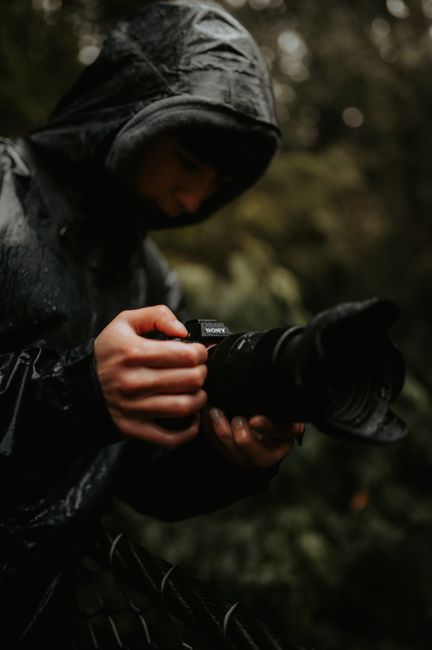
Before you even think about camera covers, make sure you have the right gear to keep yourself safe and thinking clearly. This means a truly waterproof shell jacket and trousers (not just 'showerproof'), waterproof boots with good grip on wet ground, warm non-cotton layers (like merino wool) that insulate even when damp, and a warm hat and waterproof gloves to keep your extremities functional.
Buy the best rain gear you can afford. Rain gear is the wrong place to be budget-minded. When you are walking through a cold pouring rain and are still two miles from shelter, you will thank yourself for buying the best.
For Colombia's cloudforests specifically, the temperature range sits between roughly 10–17°C (50–62.6°F) at altitude. This is cool enough to create real chill when wet, but not cold enough to require heavy insulation. The ideal combination is:
-
A lightweight GORE-TEX shell jacket (or equivalent eVent fabric)
-
Fast-drying synthetic midlayer — never cotton
-
Light waterproof trousers or rain pants
-
Waterproof hiking boots with ankle support and aggressive grip
Look for breathable yet waterproof fabrics like GORE-TEX or eVent, which keep rain out while allowing sweat to escape. This breathability is non-negotiable in Colombia's warm, humid cloudforests — a fully waterproof but non-breathable jacket will leave you soaked in sweat within minutes on any forest trail.
Footwear and Lower Body Protection
Wet feet are the fastest route to misery. Opt for waterproof hiking boots with good ankle support and aggressive tread for muddy trails. Colombia's cloudforest trails, especially after rain, can become extremely slippery. Boots with deep lugs and a waterproof membrane (GORE-TEX lining) are non-negotiable.
Comfortable, ideally waterproof hiking boots with lots of ankle support will help you navigate uneven terrain. Don't forget leggings, gaiters, or rain pants for added protection when conditions are wet or muddy. Gaiters are particularly valuable in the cloudforest because even boots with waterproof membranes will eventually let moisture in over the collar on long, wet trail sections. Gaiters close that gap.
The cloudforest climate is cool and damp — bring light rain gear and grip-soled boots for muddy trails. Many visiting photographers regret not bringing a second pair of boots — one for the trail and a dry pair to change into at the lodge.
Gloves and Hand Protection
Cold hands end shoots faster than wet cameras. This is the single most underrated piece of advice in wet-weather photography. In Colombia's cooler cloudforest elevations, wet hands lose dexterity rapidly — and dexterity is everything when you're tracking a hummingbird mid-air and need to adjust aperture in a split second.
Waterproof gloves with touchscreen compatibility allow you to use your gear without exposing your hands to the elements. Look for thin merino wool glove liners inside a light waterproof shell, or purpose-built photographer's gloves with fold-back finger covers for shutter operation.
Pro Tip: Bring waterproof boots, a light rain jacket, and long sleeves for biting insects. In the cloudforest, insects are a genuine consideration even during rain — long sleeves do double duty as both warmth and insect protection, and reduce the need to apply repellent near your lens surfaces.

Waterproof Backpacks and Gear Transport
Choosing the Right Camera Bag for Cloudforest Conditions
While the market is flooded with a variety of carrying cases for differing needs, the preference is for backpacks that are light, sturdy, and able to hold a range of long lenses, DSLRs, and all required accessories. Shimoda Design, Gura Gear, and Think Tank are a few of the many brands that produce high-quality bags. The key is to remain light in the field.
For Colombia's cloudforest trails — which can be steep, narrow, and genuinely muddy — a rear-access backpack is strongly preferred. Backpacks that open from the side that touches your back allow you to access your gear while the backpack is lying on the ground, without getting mud or dirt on the part that touches your back. The backpack should also withstand rain or at least have a good quality rain cover.
Rain Covers for Backpacks
Even waterproof backpacks benefit from a dedicated rain cover in sustained cloudforest rain. Brands like Sea to Summit and Osprey make high-quality covers that fit most packs and optics, keeping your electronics and field guides dry during heavy downpours. Most quality photography backpacks either include an integrated rain cover in a zippered pocket at the base, or are designed to be compatible with universal rain covers.
Pro Tip: Use a dry bag for everything that should stay dry even when it's pouring rain outside. Inside your main camera backpack, individual lenses not in use should each go into a zip-lock bag with a silica gel packet. This creates a micro-sealed environment for each piece of glass — your last line of defense if the backpack rain cover fails.
Hard Cases for Multi-Day Trips
For photographers staying multiple days at a cloudforest lodge like Yotoco Lodge, a hard case for overnight storage is as important as rain protection during the day. Pelican cases with built-in humidity indicators have become increasingly popular among professionals. These rugged containers not only protect against physical damage but also create an airtight seal that prevents moisture infiltration. For added protection, consider adding a layer of moisture-absorbing foam.

With Pelican-style cases, you can pack your lenses and camera gear, throw in a handful of silica gel packets, and be protected for at least a month in an extremely humid climate if you're opening and closing your case every few days. Therefore, invest in a hard case with a proper IP-rated seal for any trip longer than three days in a high-humidity cloudforest environment.
Camera Settings and Technique for Rainy Cloudforest Conditions
Mastering Exposure in Low-Light Mist
These high-altitude forests are rich in biodiversity and home to many colorful and unique bird species. To succeed here, photographers must use fast lenses, higher ISO settings, and quick reflexes. Patience and observation are essential.
Increase ISO (800–3200) to compensate for reduced light. Use a fast shutter speed (1/500s or faster) to freeze raindrops and moving subjects. A wide aperture (f/2.8–f/5.6) allows more light in and helps isolate your subject from the background. In cloudforest conditions, mist typically reduces available light by one to two stops compared to clear conditions — adjust your ISO accordingly rather than slowing the shutter speed, as cloudforest birds are rarely stationary.
Soft morning light combined with feeder stations creates unbeatable portrait opportunities — and misty, overcast skies actually eliminate harsh shadows, giving you even, diffused light ideal for capturing iridescent plumage on hummingbirds and tanagers.
Autofocus Challenges in Rain and Mist
Raindrops on the lens front element will confuse autofocus systems, particularly eye-detect AF. When autofocus starts hunting through the haze, switching to manual is sometimes the only way to get a clean image through the rain. I've found that a quick wipe with a dry microfiber cloth often instantly resolves this — always keep one in a waterproof pocket, not buried in your bag.
Use telephoto lenses in the 300–600mm range — these are essential for skittish birds. In Colombia's cloudforests, the standout species like the Multicolored Tanager, antpittas, and hummingbirds are most accessible at feeder stations, where 300–500mm is often the sweet spot. The Coffee Region offers controlled feeding stations where photographers can capture intimate, close-up shots. Bring a tripod and experiment with slower shutter speeds to create natural motion blur around hummingbirds' wings.
Pro Tip: Dark storm clouds enhance color contrast and create a powerful backdrop. Fog and mist add a mysterious, moody effect, and rain-soaked landscapes introduce texture and depth to your images. Don't just protect your gear — actively compose to use the atmosphere as a creative element.

Spotting the Best Birds at Yotoco and the Western Andes Cloudforest
Why the Yotoco Region Rewards Patient, Weather-Ready Photographers
Bosque Yotoco is one of the last remaining forested areas of its type on the east slope of the Western Cordillera. It is particularly important because it protects populations of Cauca Guan, Turquoise Dacnis-tanager, and Multicoloured Tanager. The Multicolored Tanager alone is considered one of Colombia's most sought-after endemic species — a bird that makes the rain, mud, and gear maintenance all worthwhile.
The Western Andes region includes notable sites like the old road to Buenaventura, Doña Dora, Finca La Florida, San Felipe Birding , Atuncela, Rio Bravo, Suee Birding Yotoco Forest Reserve, and Carrizales. For photographers based at Yotoco Lodge, all of these represent day-trip opportunities — each with its own micro-climate, bird community, and rain pattern.
Colombian cloud forests host a staggering array of birdlife, including hummingbirds, tanagers, antpittas, quetzals, and trogons. Species like the Buffy Helmetcrest, Longuemare's Sunangel, and Black-tailed Trainbearer flourish here — their iridescent colors and rapid wingbeats make them challenging yet rewarding subjects.
Timing Your Sessions Around the Rain
Early morning light enhances feather iridescence — and in the cloudforest, "early morning" often coincides with the brief dry window between overnight rain clearing and midday mist rolling in. Build your photography schedule around this window. Arrive at feeder stations and known perch spots 30 minutes before first light to maximize golden-hour shooting in clearer conditions.
Have the right local guide. When going to complex environments like jungle or cloud forest, finding a bird is tough if you do not bring a local guide who has a deep knowledge of the area. A knowledgeable guide at Yotoco Lodge will know which trails drain quickly after rain and which remain hazardous — saving you both time and risk.
Common Rain Gear Mistakes to Avoid
Mistake 1: Trusting Weather Sealing Alone
This is the single most expensive mistake photographers make in Colombia's cloudforests. Weather sealed doesn't mean waterproof. The camera can still suffer from condensation. Avoid taking photos in heavy rain or keeping the camera exposed to rain for too long. Always use an external rain cover, even on flagship professional bodies.
Mistake 2: Skipping the Dry Box Overnight
Cameras have been given to photographers that had spontaneously stopped working in the tropics from people who took none of the precautions outlined around humidity protection. The overnight dry box routine takes five minutes and saves your entire camera system. Never skip it during a cloudforest trip.
Mistake 3: Using a Single, Non-Layered Approach
For extreme wet conditions, combine a camera rain sleeve with a RainCap for full-lens coverage. The same principle applies to personal gear: a waterproof jacket alone, without waterproof trousers and gaiters, will leave you soaked from the knees down within 20 minutes on a wet trail. Layer everything.
Mistake 4: Forgetting Microfiber Cloths
Use a rain cover to shield your camera and lens from moisture, and keep lens wipes and microfiber cloths handy to remove water droplets. Carry two or three microfiber cloths in waterproof ziplock bags — one for the lens front element, one for the LCD and viewfinder, and a backup. Replace them in dry, sealed bags the moment you return to the lodge.
Mistake 5: Ignoring Battery Management
Store extra batteries in a warm, dry place, as cold and wet conditions drain them faster. In Colombia's cooler cloudforests (10–17°C at elevation), batteries will lose 20–30% of their capacity versus flat-land performance. Carry at least three batteries per camera body and store spares in an interior jacket pocket, close to body heat, during field sessions.
Pro Tip: Rain gear loses its water-shedding properties over time — expect to replace it, and do so before an expensive trip. Seams need constant resealing. Before your Colombia trip, re-treat your GORE-TEX jacket with a DWR (durable water repellency) spray treatment. A jacket that wets out completely is functionally useless in sustained cloudforest rain.

Frequently Asked Questions
What is the best camera rain cover for bird photography in Colombia's cloudforests?
The Think Tank Hydrophobia DM 300-600 V3.0 is the top choice for serious photographers using 300–600mm telephoto lenses. It comes in three sizes — 24-70mm, 70-200mm, and 300-600mm — using 3-layer material for superior durability with sealed seams and a rear window. For a more budget-friendly option, the Think Tank Emergency Rain Cover provides excellent protection and packs down small.
Do I need special clothing for photographing birds in the Colombian cloudforest?
Yes — standard waterproof gear sold for casual use is often insufficient for sustained cloudforest conditions. Look for breathable yet waterproof fabrics like GORE-TEX or eVent, which keep rain out while allowing sweat to escape. You specifically need waterproof trousers, gaiters, and boots with deep-lug tread, in addition to a fully waterproof jacket. Showerproof or "water-resistant" garments will fail within 20–30 minutes of sustained rain.
How do I protect my camera lenses from humidity overnight at a cloudforest lodge?
Store your gear in a sealed box loaded with desiccant when not in use to prevent mold from growing on your equipment long-term. Use a color-indicating silica gel system and a small hygrometer so you can monitor humidity levels. Professional photographers know that maintaining optimal humidity levels between 35–45% protects thousands of dollars worth of gear from irreversible damage.
What camera settings work best for bird photography in misty, rainy cloudforest conditions?
Increase ISO to 800–3200 to compensate for reduced light, use a fast shutter speed (1/500s or faster) to freeze both raindrops and moving birds, and open up aperture to f/2.8–f/5.6 to let in maximum light and isolate your subject from the background. In Colombia's feeders and known perch locations, these settings give you the best chance of sharp, well-exposed images even on overcast days.
Is Colombia's cloudforest accessible year-round for bird photographers?
Between December and March, it is sunny and dry almost everywhere in Colombia — making this the peak season for photographers who want the best light. However, bird photography in Colombia is likely to be the finest anywhere on earth at any time of year, and many photographers find that mist and light rain produce more atmospheric images than clear-sky days. With proper rain gear, every month is a viable photography month.
How many silica gel packets should I bring on a week-long cloudforest photography trip?
A solid dozen 10-gram silica gel packets should be enough for a camera body, 2–3 lenses, and a flash for about a week. Bring double this quantity if possible — they are inexpensive and light, and a saturated pack provides zero protection. Always use color-indicating packs so you can see their status at a glance.
What are the target bird species I should expect to photograph around Yotoco Lodge?
Bosque Yotoco is one of the last remaining forested areas of its type on the east slope of the Western Cordillera, particularly important because it protects populations of Cauca Guan, Turquoise Dacnis-tanager, and Multicoloured Tanager. The broader Western Andes region also offers hummingbirds, tanagers, antpittas, quetzals, and trogons — making it one of the most rewarding cloudforest photography destinations on the planet. Plan your visit at Yotoco Lodge and speak with local guides about seasonal species availability.
The Complete Rain Gear Packing Checklist for Colombian Cloudforests
Before you finalize your packing, run through this checklist to ensure you've covered every layer of protection:
Camera Protection:
-
Quality camera rain cover (Think Tank Hydrophobia or Emergency Rain Cover)
-
LensCoat or Optech lens sleeve for telephoto lenses
-
Deep lens hood for every lens in your kit
-
3–4 microfiber cloths in individual waterproof bags
-
Lens cleaning solution (small bottle)
Humidity Control:
-
Pelican case or airtight hard case for overnight storage
-
20–24 color-indicating silica gel packets (10g each)
-
Small hygrometer for the dry box
-
Individual zip-lock bags for each lens
Personal Rain Gear:
-
GORE-TEX or eVent waterproof shell jacket
-
Waterproof trousers or rain pants
-
Gaiters (mid-height)
-
Waterproof hiking boots (ankle support, deep lugs)
-
Touchscreen-compatible waterproof gloves
-
Backup glove liners (merino wool)
-
Wide-brim or packable waterproof hat
Backpack and Transport:
-
Photography backpack with integrated or compatible rain fly
-
Dry bags or large zip-lock bags for internal organization
-
3+ batteries per camera body (stored in interior pocket when cold)
Why Yotoco Lodge Is the Perfect Base for Rain-Ready Cloudforest Photography
Yotoco Lodge is ideally positioned within the Valle del Cauca, adjacent to the San Antonio Forest — one of the last intact cloudforest remnants on the eastern slope of Colombia's Western Cordillera. The National Forest of Yotoco is one of the green lungs of the Valle del Cauca and the place where the Yotoco river rises, home to a valuable wealth of forest and exotic animals including charming howler monkeys, and the perfect setting for ecological walks and birdwatching.
For visiting photographers, this means extraordinary access to endemic birds without long approach treks — conservation-grade habitat begins effectively at your doorstep. The lodge's expertise in local trail conditions, species behavior, and seasonal patterns is an invaluable complement to all the technical rain gear in this guide. Colombia is one of the most rewarding destinations in the world for bird photography. With more bird species than any other country, it offers photographers an unmatched diversity of subjects, colors, and behaviors.
Come prepared. Pack every layer. And trust that the mist, the rain, and the drama of the cloudforest will reward you with images you cannot make anywhere else on Earth.
Sources
-
Waterproof Gear for Birdwatching in Rainy Conditions — Simply Birding. Practical guide to rain gear for birders. Simply Birding's waterproof gear guide
-
Wildlife Photography in the Rain: A Practical Wet-Weather Guide — Nature Walks with Carol. Field guide to wet-weather shooting techniques. https://www.naturewalkswithcarol.com/wildlife-photography-in-the-rain.html
-
Dressing for the Elements — BirdWatching Daily / BirdWatching Magazine. Expert guide to birding clothing. https://www.birdwatchingdaily.com/news/birdwatching/dressing-for-the-elements/
-
Essential Bird Photography Gear for Every Occasion — Visual Wilderness. Comprehensive equipment guide for bird photographers. https://visualwilderness.com/wildlife/essential-bird-photography-gear-for-every-occasion
-
The Magic of Photographing Birds in Colombia's Cloud Forests — Retorno Photo Tours. Cloudforest photography locations and species guide. https://www.retornophototours.com/the-magic-of-photographing-birds-in-colombias-cloud-forests
-
Understanding Bird Habitats in Colombia for Better Photography — Retorno Photo Tours. Habitat and technique guide. [https://www.retornophototours.com/understanding-bird-habitats-in-colombia-for-better-photography-outcomes](https://www.retornophototours.com/understanding-bird-habitats
0 comments